Blog
Complete Face Care Routine 2026: Best Tips, Products & Steps for Glowing Skin
Complete Face Care Routine 2026: Best Tips, Products & Steps for Glowing Skin
Discover a complete face care routine for every skin type — daily steps, best products, and expert tips to get naturally glowing, healthy skin.
Healthy, glowing skin doesn't happen overnight — it's the result of a consistent, well-structured face care routine tailored to your skin type. Whether you're dealing with oily skin, dry patches, acne, or early signs of aging, the right face care approach can transform how your skin looks and feels. In this guide, we'll walk through everything you need to know about building an effective face care routine — from understanding your skin type to the exact steps and products that actually work.
Why Face Care Matters More Than You Think
Your face is exposed to pollution, sun damage, dust, and stress every single day. Without proper face care, skin can lose its natural glow, develop fine lines earlier, and become prone to breakouts or dryness. A good face care routine isn't just about looking good — it's about protecting your skin barrier, slowing premature aging, and keeping your skin healthy in the long run.
Step 1: Identify Your Skin Type
Before picking any face care products, it's essential to know your skin type. Face care that works for oily skin can actually harm dry skin, and vice versa.
Oily Skin — Shiny appearance, enlarged pores, prone to acne and breakouts.
Dry Skin — Feels tight, flaky patches, dull appearance, especially in winter.
Combination Skin — Oily T-zone (forehead, nose, chin) with dry cheeks.
Sensitive Skin — Easily irritated, redness, reacts to new products quickly.
Normal Skin — Balanced, few imperfections, not too oily or dry.
Once you know your skin type, you can choose face care products designed specifically for it, rather than following a generic routine that may not suit you.
Step 2: The Correct Face Care Routine Order
A proper face care routine follows a specific sequence so each product can work effectively without blocking the next one from absorbing.
Morning Face Care Routine
Cleanser — Removes overnight oil buildup and preps skin.
Toner — Balances skin pH and tightens pores.
Serum — Targets specific concerns like dullness or dark spots.
Moisturizer — Locks in hydration for the day.
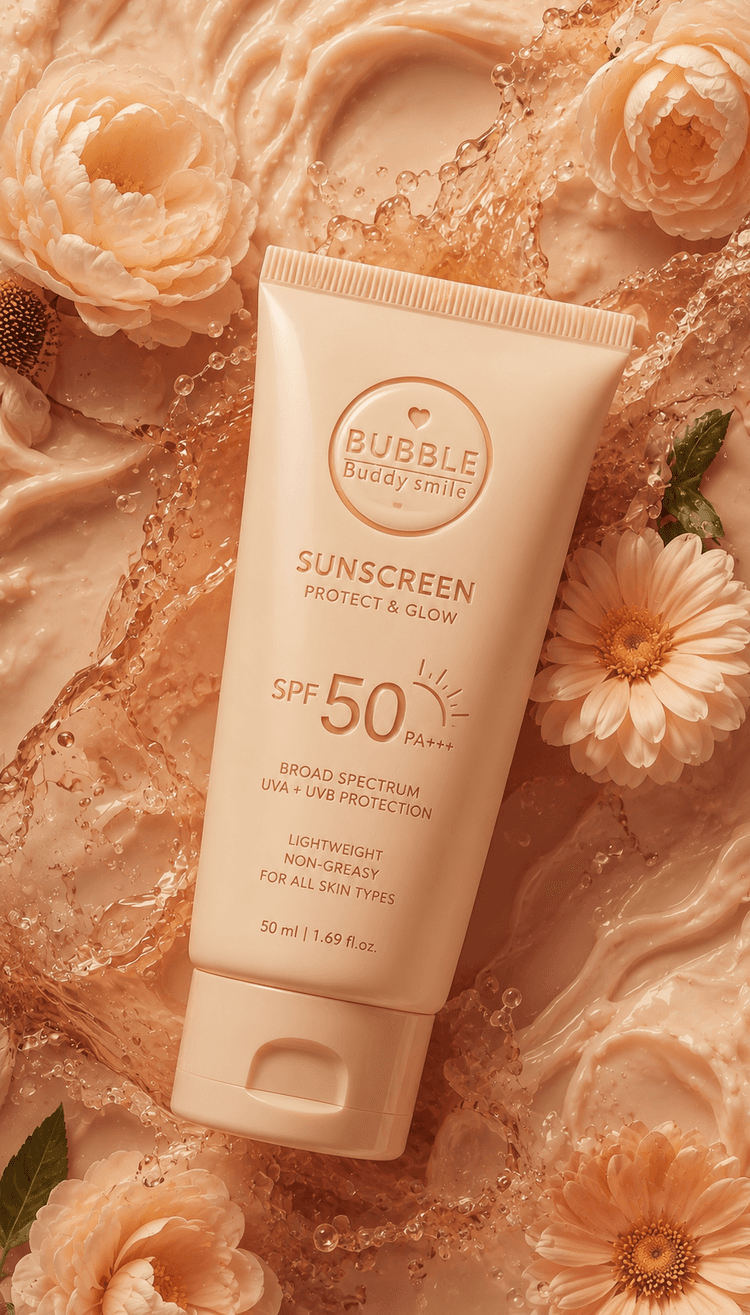
Sunscreen (SPF 30+) — Non-negotiable step, protects against UV damage and premature aging.
Night Face Care Routine
Makeup/Sunscreen Removal — Double cleanse if you wore makeup or sunscreen.
Cleanser — Deep cleans pores from the day's dirt and pollution.
Exfoliation (2–3 times a week only) — Removes dead skin cells for a brighter look.
Serum/Treatment — Nourishing actives like hyaluronic acid or niacinamide.
Night Cream/Face Cream — Deeply moisturizes and repairs skin overnight.
Step 3: Face Care Tips by Skin Type
Face Care for Oily Skin
Oily skin needs lightweight, non-comedogenic products that control excess sebum without stripping natural moisture. Look for gel-based cleansers and oil-free moisturizers. Avoid skipping moisturizer — oily skin still needs hydration, or it may overproduce oil to compensate.
Face Care for Dry Skin
Dry skin benefits from cream-based cleansers and rich, deeply nourishing face creams containing ingredients like hyaluronic acid, shea butter, and ceramides. Avoid hot water while washing your face, as it strips natural oils further.
Face Care for Combination Skin
Combination skin needs a balanced approach — lightweight hydration on the T-zone and slightly richer products on the cheeks. Multi-masking (using different masks on different areas) can also help manage both oily and dry zones effectively.
Face Care for Sensitive Skin
Stick to fragrance-free, hypoallergenic products. Always patch-test new products on your wrist or jawline before applying to your full face. Simplify your routine — fewer products often mean fewer chances of irritation.
Step 4: Best Face Care Practices for Glowing Skin
Stay Hydrated — Drinking enough water supports skin elasticity and glow from within.
Never Skip Sunscreen — UV exposure is the #1 cause of premature skin aging.
Exfoliate in Moderation — Over-exfoliating damages the skin barrier; 2–3 times a week is enough.
Sleep Well — Skin repairs itself overnight; poor sleep shows up as dullness and dark circles.
Use a Nourishing Face Cream Daily — A good face cream deeply moisturizes and improves skin texture over time.
Avoid Touching Your Face Frequently — Reduces the transfer of bacteria and dirt that can cause breakouts.
Clean Makeup Brushes Regularly — Dirty brushes are a common, overlooked cause of breakouts.
Step 5: Common Face Care Mistakes to Avoid
Using harsh, alcohol-based products that strip natural moisture.
Skipping sunscreen on cloudy days or while indoors near windows.
Over-washing your face, which disrupts the skin's natural barrier.
Trying too many new products at once, making it hard to identify what's working.
Sleeping with makeup on, which clogs pores and accelerates aging.
Building a Simple Weekly Face Care Plan
Day Focus
Mon–Fri Basic AM/PM routine (cleanse, moisturize, SPF)
Tue & Fri Exfoliation
Wed Hydrating face mask
Sun Rest day — minimal products, let skin breathe
FAQ
Q1: What is the correct order for a face care routine? A: The correct order is cleanser, toner, serum, moisturizer, and sunscreen in the morning. At night, follow with cleansing, exfoliation (2–3 times a week), serum/treatment, and a nourishing night cream.
Q2: How often should I exfoliate my face? A: Most skin types benefit from exfoliating 2–3 times a week. Over-exfoliating can damage your skin barrier and cause irritation, redness, or increased sensitivity.
Q3: Is sunscreen necessary even on cloudy days? A: Yes. UV rays penetrate clouds and windows, so daily sunscreen (SPF 30 or higher) is essential regardless of weather, to prevent premature aging and sun damage.
Q4: What face care routine is best for oily skin? A: Oily skin does best with lightweight, oil-free, non-comedogenic products — gel cleansers, alcohol-free toners, and oil-free moisturizers that hydrate without adding excess shine.
Q5: Can I use the same face cream for day and night? A: It's better to use a lighter moisturizer with SPF during the day and a richer, more nourishing face cream at night, since nighttime is when skin naturally repairs itself.
Q6: How long does it take to see results from a new face care routine? A: Most people start noticing visible improvements in skin texture and glow within 4–6 weeks of consistent use, as this aligns with the skin's natural renewal cycle.